

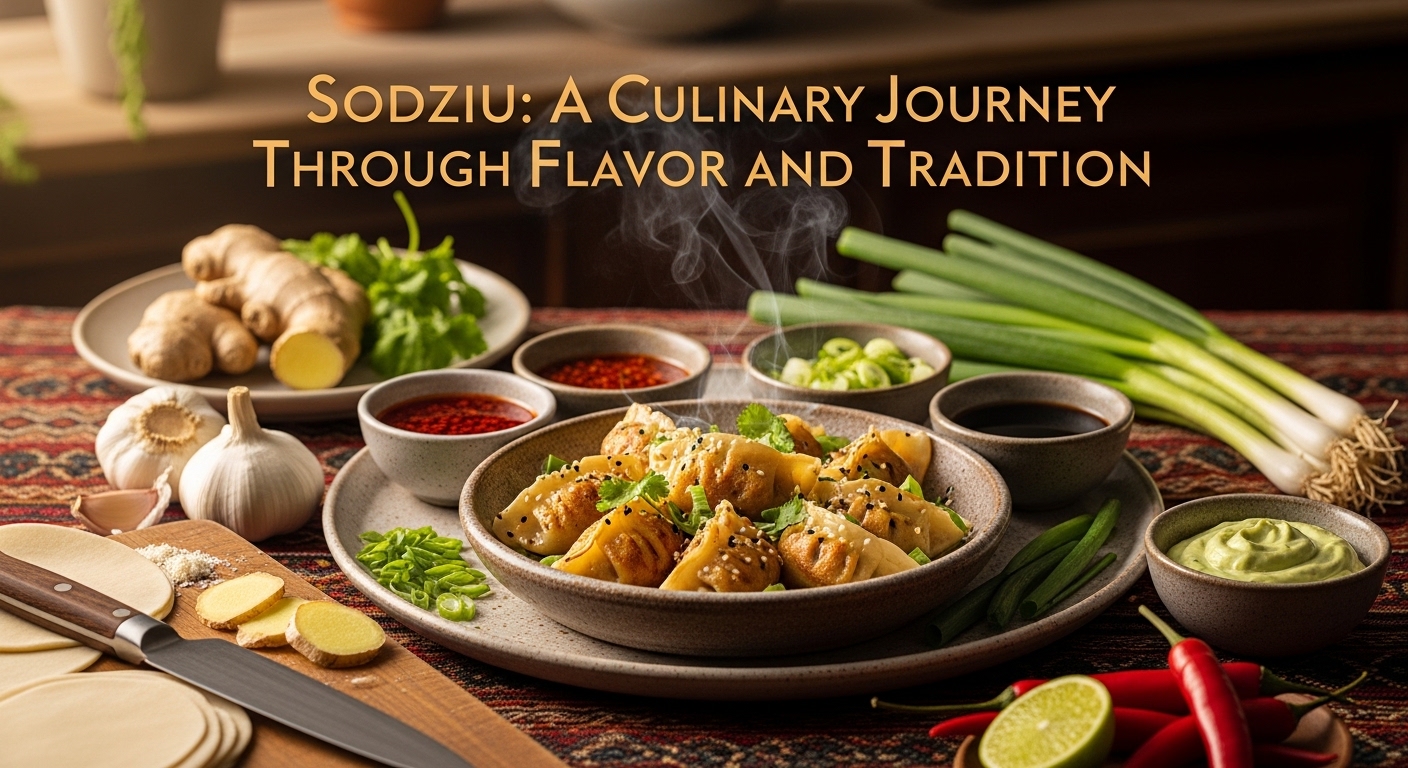
Sodziu is more than a name whispered in kitchens or shared across dining tables; it is an experience that reflects heritage, creativity, and the emotional connection between food and identity. The story of Sodziu begins in tradition yet evolves with each generation, weaving together flavors, techniques, and memories that shape its culinary essence. From humble beginnings rooted in community cooking to its refined interpretations in contemporary gastronomy, Sodziu stands as a testament to how cuisine can preserve culture while embracing change.
The Cultural Roots of Sodziu
The cultural foundation of Sodziu is deeply intertwined with local customs, seasonal harvests, and communal gatherings. In many regions where it first gained recognition, food was not merely sustenance but a symbol of unity. Families would gather around shared dishes, and the preparation itself became a ritual that connected generations. Elders passed down techniques orally, preserving subtle nuances that defined the authenticity of each recipe.
Sodziu emerged from this environment as a culinary expression shaped by geography and climate. The ingredients traditionally associated with it were sourced from nearby farms and markets, ensuring freshness and sustainability. Over time, these ingredients became inseparable from the identity of Sodziu, forming a recognizable flavor profile that balances richness with depth.
The evolution of Sodziu mirrors the broader transformation of global cuisine, where local dishes adapt to new influences without losing their core identity. Similar to how traditional Italian recipes evolved into iconic creations such as Pizza Margherita in Naples, Sodziu has embraced change while honoring its origins.
Sodziu and the Art of Traditional Preparation
The preparation of Sodziu reflects patience and craftsmanship. Unlike fast-paced modern cooking trends, its traditional method emphasizes slow cooking, layered seasoning, and careful timing. The result is a harmonious blend of textures and aromas that unfold gradually.
Historically, Sodziu preparation required communal effort. One person might prepare the base ingredients while another handled seasoning or final presentation. This collaborative approach fostered a sense of belonging and pride in the final dish. The method resembles culinary traditions found in communal feasts across cultures, such as the slow-roasted preparations seen in Mediterranean celebrations or festive banquets reminiscent of gatherings in Barcelona.
The table below illustrates the evolution of Sodziu preparation techniques over time.
| Era | Preparation Style | Key Characteristics | Cultural Influence |
|---|---|---|---|
| Early Tradition | Wood-fired slow cooking | Earthy flavors, natural spices | Rural community gatherings |
| Transitional Period | Open-flame and stovetop | Balanced seasoning, refined texture | Urban adaptation |
| Modern Era | Hybrid techniques | Fusion elements, creative plating | Global culinary exchange |
This transformation demonstrates how Sodziu adapts without compromising its soul.
Sodziu in Family Celebrations and Rituals
Family celebrations have always served as a stage where Sodziu shines brightest. Weddings, seasonal festivals, and milestone gatherings frequently feature it as a centerpiece dish. Its presence signifies abundance and gratitude, symbolizing the host’s dedication to guests.
During harvest festivals, Sodziu was often prepared with freshly gathered produce, emphasizing seasonal flavors. In winter months, richer variations emerged, offering warmth and comfort. This adaptability to seasonal rhythms ensured that Sodziu remained relevant throughout the year.
Comparable culinary symbolism can be observed in Japanese traditions surrounding Osechi served during celebrations in Japan, where each dish carries cultural meaning. Likewise, Sodziu embodies more than taste; it carries stories and blessings shared across generations.
Sodziu and Regional Variations
As Sodziu traveled across regions, it absorbed local influences and diversified. Coastal adaptations might incorporate seafood elements, while inland versions emphasize grains and herbs unique to their environment. Each variation maintains a connection to the original spirit yet expresses individuality through ingredient selection.
Regional diversity within Sodziu can be compared to how dishes in France vary significantly from Provence to Normandy while still representing French culinary tradition. This diversity strengthens the overall identity of rather than fragmenting it.
The following table highlights select regional interpretations.
| Region | Distinct Ingredient Focus | Flavor Profile | Presentation Style |
|---|---|---|---|
| Coastal | Fresh herbs and seafood | Light, aromatic | Rustic plating |
| Mountain | Root vegetables and grains | Hearty, earthy | Family-style serving |
| Urban | Contemporary spices | Balanced, refined | Artistic arrangement |
Each adaptation demonstrates the flexibility that has allowed to thrive in varied environments.
Sodziu in Modern Gastronomy
The modern culinary world has embraced Sodziu as chefs experiment with innovative techniques while respecting its heritage. Contemporary restaurants reinterpret it through creative plating, pairing it with global flavors, and presenting it as a refined gastronomic experience.
International culinary hubs such as New York City and London have witnessed chefs drawing inspiration from traditional dishes and transforming them into fine-dining masterpieces. Similarly, has found its place in upscale menus where tradition meets innovation.
This transition into modern gastronomy does not erase its roots. Instead, it broadens its audience and ensures that younger generations continue to engage with its legacy. Culinary schools increasingly highlight heritage recipes like Sodziu as examples of cultural preservation through cooking.
The Sensory Experience of Sodziu
One cannot fully appreciate Sodziu without describing its sensory impact. The aroma often evokes warmth and familiarity, blending spices that create anticipation before the first bite. Its texture balances tenderness with subtle firmness, offering complexity that invites slow enjoyment.
Flavor layers reveal themselves gradually. Initial notes might be mild and comforting, followed by deeper undertones shaped by slow cooking. This layered experience transforms dining into a reflective moment rather than a hurried activity.
Culinary psychology suggests that foods connected to tradition enhance emotional well-being. Just as comfort dishes around the world evoke nostalgia, often triggers memories of family kitchens and communal celebrations.
Sodziu and Sustainable Culinary Practices
Sustainability has become a cornerstone of modern culinary discussions, and Sodziu naturally aligns with this movement. Traditional recipes emphasized locally sourced ingredients and minimal waste. Leftovers were repurposed into complementary dishes, reflecting respect for resources.
In today’s context, sustainability principles echo those practiced for centuries in rural communities. Restaurants that reinterpret often prioritize seasonal produce and ethical sourcing, ensuring that its preparation aligns with contemporary environmental awareness.
This alignment strengthens the relevance of Sodziu in a world increasingly conscious of ecological impact. It stands as proof that tradition and sustainability are not opposing forces but complementary values.
Sodziu as a Symbol of Identity
Beyond its culinary qualities, Sodziu functions as a symbol of identity. It represents a shared narrative that binds communities. Immigrant families often carry their recipes across borders, preserving cultural memory in unfamiliar environments.
In multicultural cities, traditional dishes serve as bridges between communities. When introduced to new audiences, becomes a conversation starter, fostering appreciation for diverse culinary heritages.
The globalization of food culture has encouraged cross-cultural exchange. Yet amid rapid change, Sodziu remains anchored in authenticity, reminding diners of the importance of roots and stories.
The Future of Sodziu
The future of Sodziu appears promising as chefs, food historians, and home cooks continue to explore its potential. Digital platforms now document family recipes, ensuring they are not lost to time. Cooking workshops and cultural festivals celebrate its legacy, inviting younger generations to participate.
Innovation will likely introduce new interpretations while safeguarding tradition. The balance between preservation and creativity will determine how evolves in the coming decades. Its resilience lies in its adaptability and emotional resonance.
The culinary world constantly shifts, influenced by trends and technology. Yet timeless dishes endure because they connect people to heritage. Sodziu embodies this enduring quality, bridging past and present with each serving.
Sodziu and Global Culinary Exchange
As global travel and digital connectivity expand, Sodziu finds new audiences far beyond its place of origin. Culinary festivals showcase heritage dishes alongside international favorites, encouraging dialogue between cultures. In global food capitals, chefs experiment with pairing inspired creations with international cuisines, demonstrating its versatility.
The blending of culinary traditions resembles how cultural exchanges have shaped dishes worldwide. Just as Mediterranean influences transformed cuisine in cities like Istanbul, continues to evolve through cross-cultural inspiration while preserving its essence.
This exchange ensures that Sodziu remains dynamic rather than static. Its journey illustrates how food traditions adapt organically without losing authenticity.
Conclusion
Sodziu stands as a living culinary tradition that captures the spirit of flavor, heritage, and human connection. From its origins in communal kitchens to its reinterpretation in contemporary gastronomy, it reflects resilience and creativity. Its preparation tells stories of patience, collaboration, and cultural pride.
As society moves forward, the continued celebration of ensures that its narrative endures. Whether served in family homes or innovative restaurants, it invites reflection on the power of food to unite generations. The journey of is ongoing, shaped by those who cook, share, and savor it, making it not merely a dish but a cultural legacy woven through time.